• Welcome to your new Gnomio site

    Now, you are in control!

    Moodle is an open-source Learning Management System (LMS) that provides educators with the tools and features to create and manage online courses. It allows educators to organize course materials, create quizzes and assignments, host discussion forums, and track student progress. Moodle is highly flexible and can be customized to meet the specific needs of different institutions and learning environments.

    Moodle supports both synchronous and asynchronous learning environments, enabling educators to host live webinars, video conferences, and chat sessions, as well as providing a variety of tools that support self-paced learning, including videos, interactive quizzes, and discussion forums. The platform also integrates with other tools and systems, such as Google Apps and plagiarism detection software, to provide a seamless learning experience.

    Moodle is widely used in educational institutions, including universities, K-12 schools, and corporate training programs. It is well-suited to online and blended learning environments and distance education programs. Additionally, Moodle's accessibility features make it a popular choice for learners with disabilities, ensuring that courses are inclusive and accessible to all learners.

    The Moodle community is an active group of users, developers, and educators who contribute to the platform's development and improvement. The community provides support, resources, and documentation for users, as well as a forum for sharing ideas and best practices. Moodle releases regular updates and improvements, ensuring that the platform remains up-to-date with the latest technologies and best practices.

    Links of interest:

    (You can edit or remove this text)

Available courses

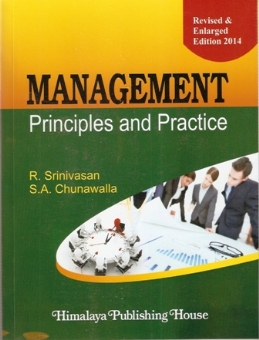
Principles of Practice Management introduces students to the essential skills and concepts required to successfully manage a professional practice in fields such as healthcare, law, accounting, or consultancy. The course focuses on the effective organization, administration, and operation of a practice to ensure efficiency, quality service delivery, and long-term sustainability.

Students explore key areas including leadership, strategic planning, human resource management, financial management, client relations, risk management, and ethical decision-making. Emphasis is placed on developing practical skills for managing daily operations, maintaining compliance, enhancing productivity, and improving client satisfaction.

By the end of the course, learners should be able to apply management principles to real-world practice settings, make informed administrative decisions, and contribute to the overall growth and professionalism of a practice.

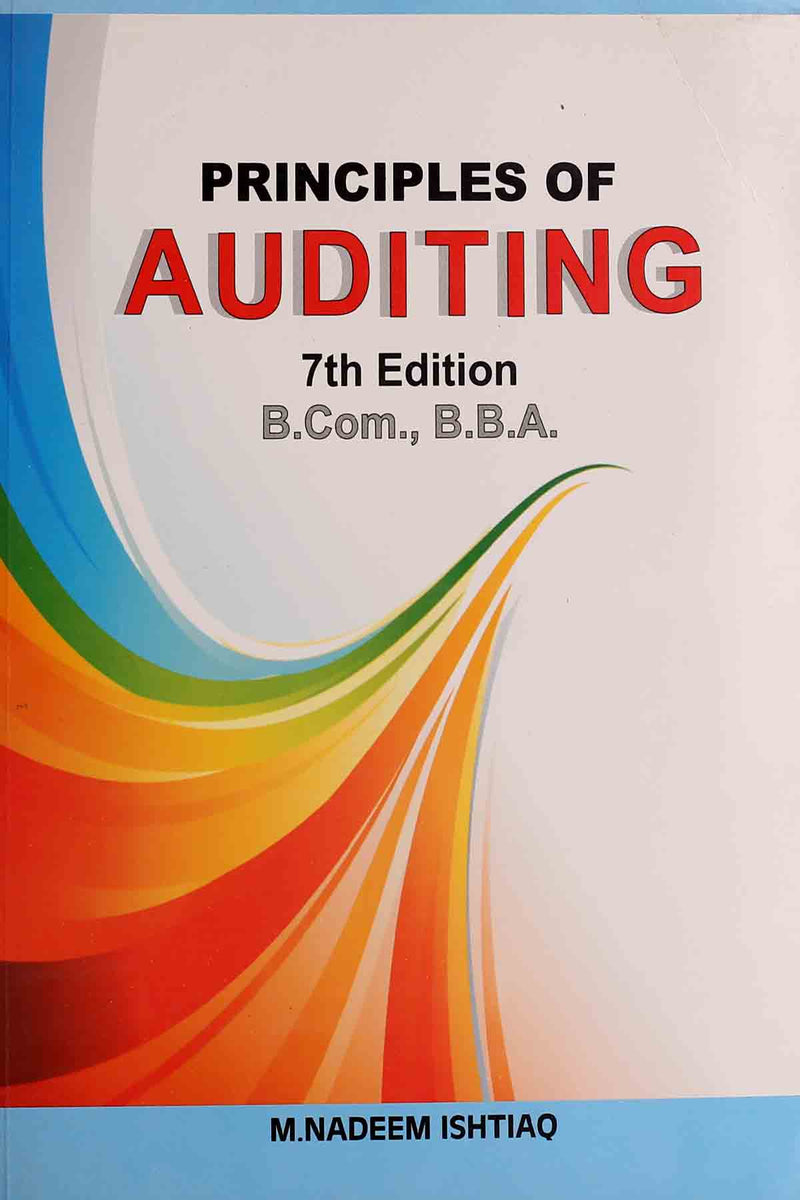
The Principles of Auditing course introduces students to the fundamental concepts, objectives, and processes of auditing. It provides an understanding of how auditors gather and evaluate evidence to form an opinion on the fairness of financial statements. Students explore the ethical and professional responsibilities of auditors, types of audits, audit planning, internal controls, and the audit reporting process.
The course equips learners with practical skills in risk assessment, documentation, and the application of auditing standards. By the end of the course, students are able to understand the audit environment, perform basic audit procedures, and appreciate the importance of integrity, independence, and objectivity in the auditing profession.
Key Topics Covered
Nature, purpose, and scope of auditing
Auditing standards and professional ethics
Types of audits and auditors
Audit planning and understanding the client
Internal control systems and control evaluation
Audit evidence and documentation
Sampling techniques in auditing
Auditing the revenue, purchases, and payroll cycles
Auditor’s responsibilities for fraud and error
Audit completion and audit reports
Learning Outcomes
By the end of the course, students should be able to:
Explain the role and significance of auditing in financial reporting.
Apply auditing principles and standards to evaluate financial information.
Conduct basic audit procedures and prepare working papers.
Assess internal controls and identify weaknesses.
Prepare and interpret different types of audit reports.

Financial Accounting is a foundational course that introduces learners to the principles and practices used to record, classify, summarize, and interpret financial information for businesses and organizations. The course focuses on developing an understanding of the accounting cycle, preparation of key financial statements, and application of accounting standards to support decision-making.

Students will learn how transactions affect the financial position of an organization and gain practical skills in bookkeeping, ledger preparation, trial balance preparation, and financial reporting. The course also covers assets, liabilities, equity, revenues, expenses, and the role of financial accounting in ensuring transparency and accountability.

By the end of the course, learners will be able to prepare and analyze financial statements, apply basic accounting principles such as GAAP/IFRS, and use accounting information to evaluate business performance.